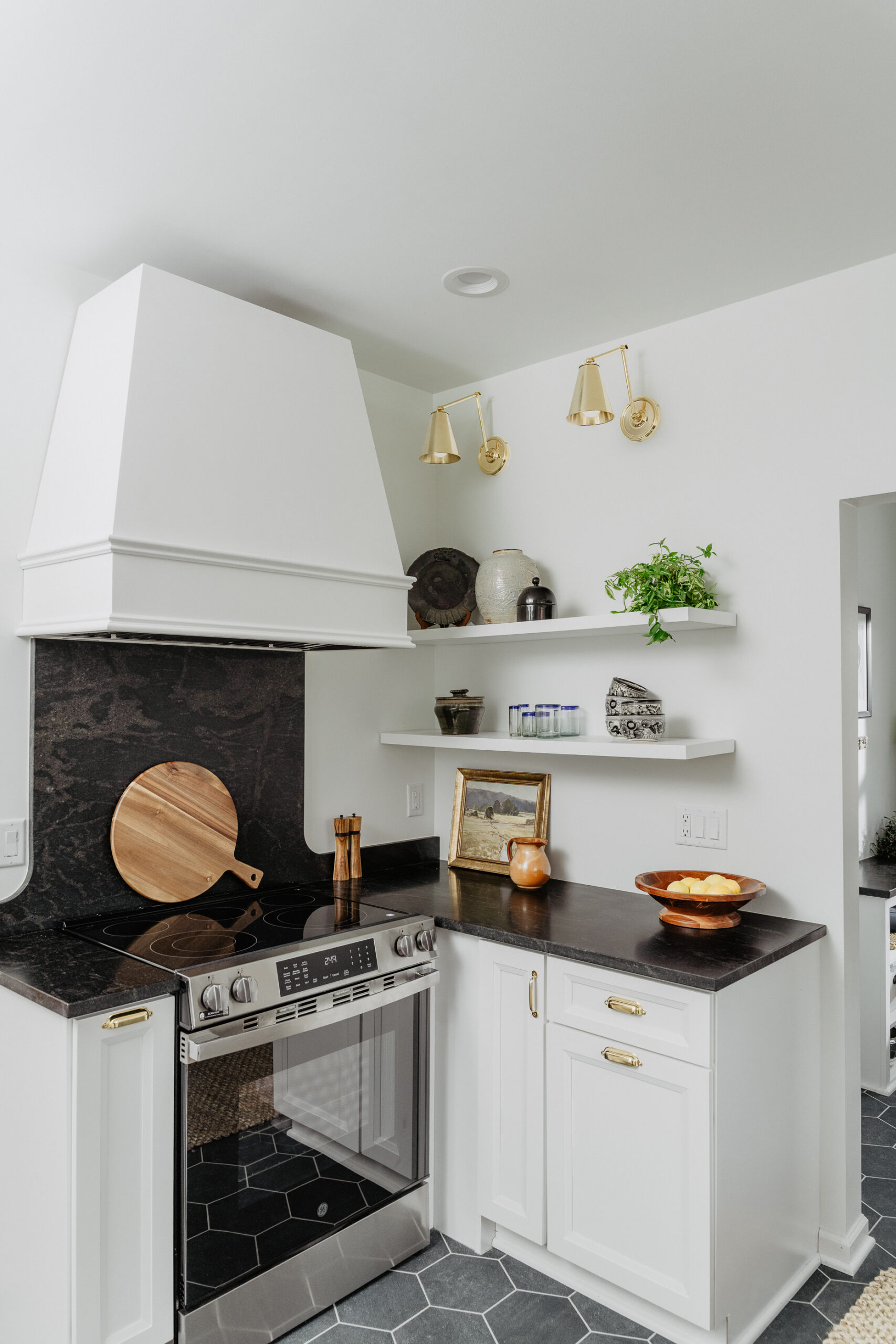
There are a lot of ways to put dinner on the table, and just as many decisions to make when choosing cooking appliances. Gas, electric, dual fuel, or induction? Four burners or six? One oven or two? A range, or separate cooking appliances?
The right combination depends on how you cook, what you like to make, and how you want your kitchen to function. Before we design cabinetry around an appliance, we talk about everyday dinners, holiday gatherings, and the features you will actually use.
Gas cooking
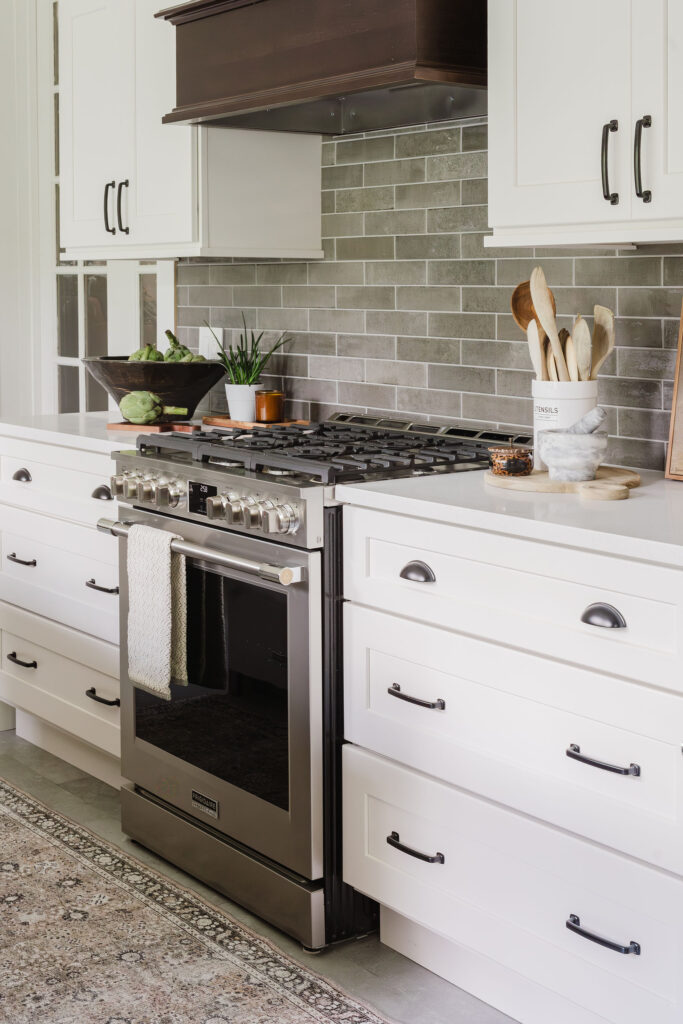
Gas has long been a favorite for people who appreciate a visible flame and an immediate response when they adjust the heat. Turn the burner down, and the flame gets smaller right away. Gas cooking surfaces work with a wide variety of cookware, and continuous grates can make it easier to slide a heavy pot from one burner to another.
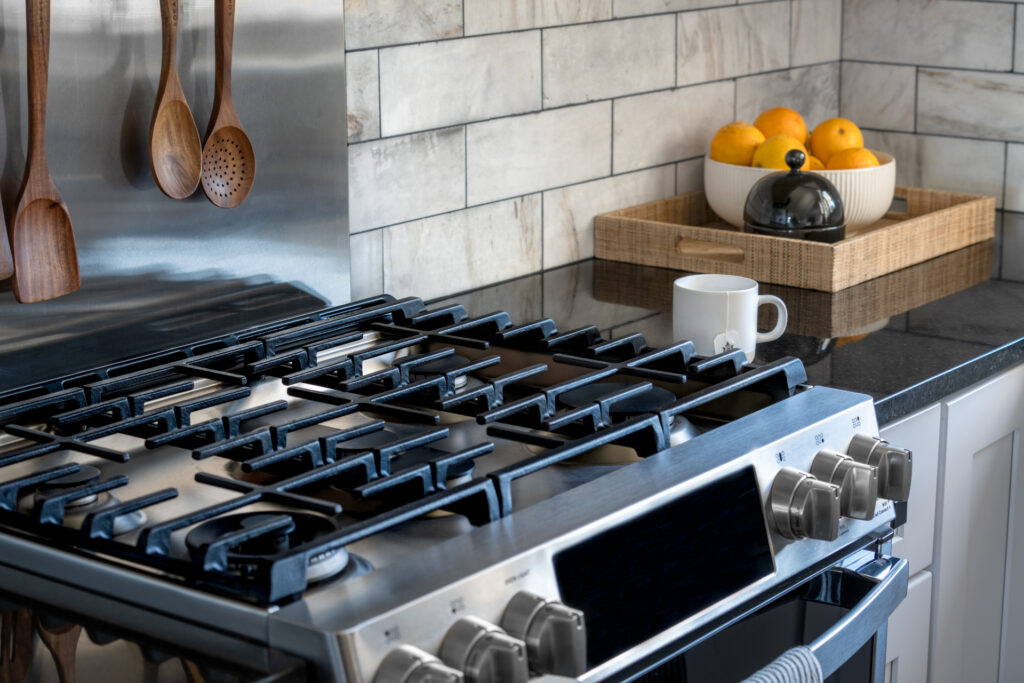
A gas range typically pairs gas burners with a gas oven. If you love cooking over a flame but prefer an electric oven for baking, that brings us to dual fuel.
Conventional electric cooking
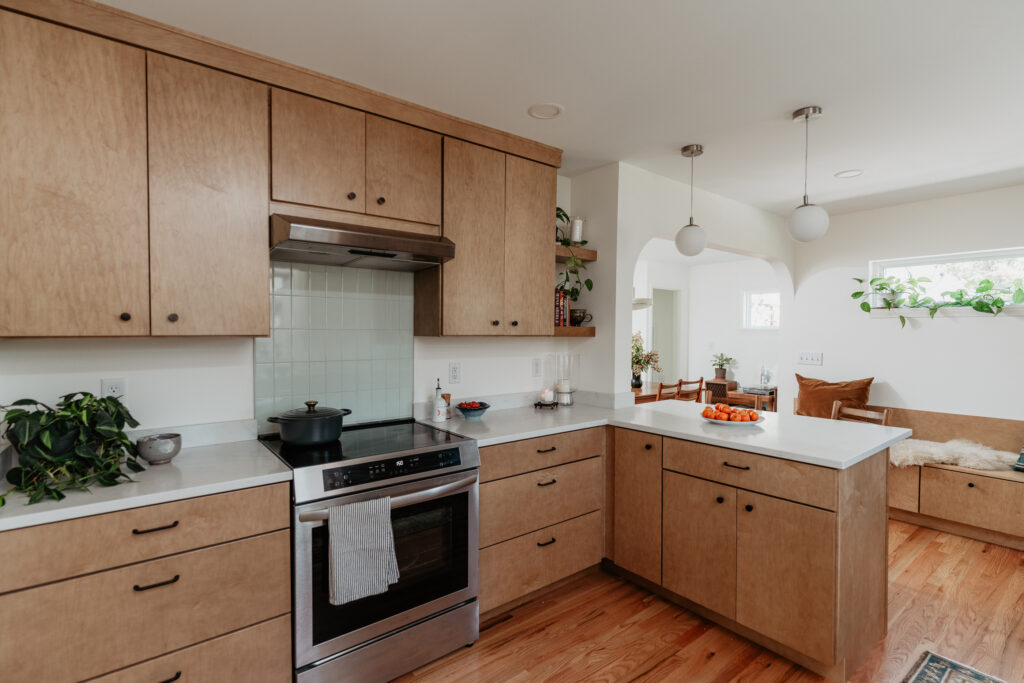
Traditional electric cooking surfaces use heated coils or radiant elements beneath a smooth glass surface. An electric range generally pairs that surface with an electric oven.
Smooth glass surfaces offer a clean appearance and eliminate the need to lift heavy grates for cleaning. However, conventional electric elements take time to heat up and cool down. Lowering the setting does not immediately remove the heat already stored in the element and glass, which takes some adjustment if you are used to gas.
Induction also runs on electricity, but it heats cookware in a different way.
Dual fuel cooking
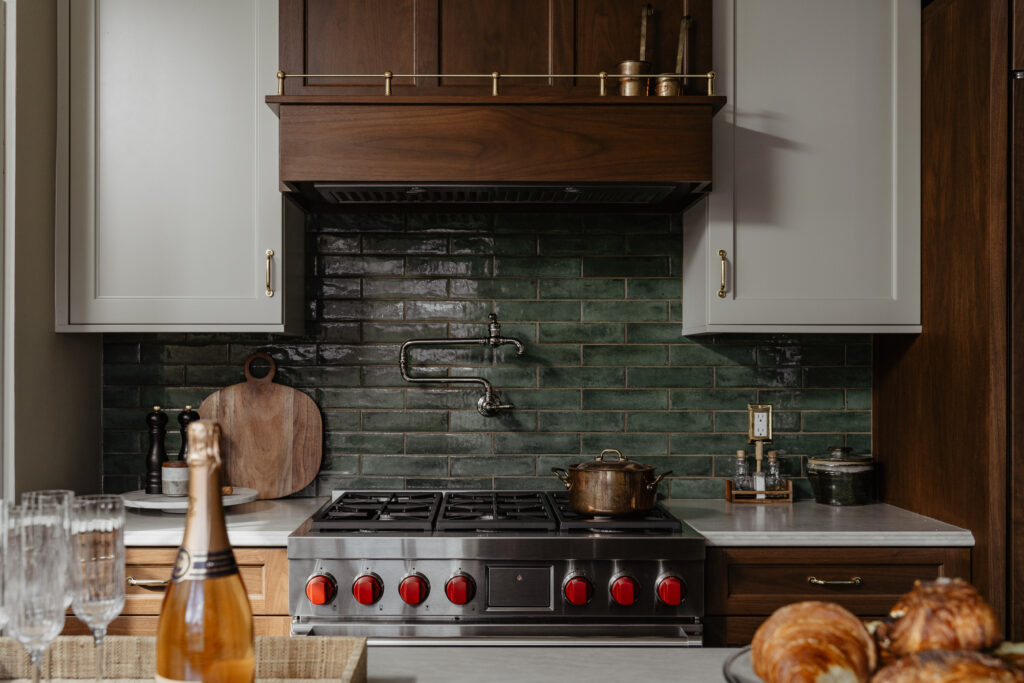
Dual-fuel ranges combine a gas cooking surface with an electric oven. They are popular with people who want the speed and responsiveness of gas burners along with the consistent, controlled heat of an electric oven for baking.
It can be a great combination for someone who enjoys both stovetop cooking and baking. Just remember that the kitchen needs the appropriate gas connection and electrical supply. Those requirements belong in the planning conversation before cabinets are ordered.
Induction cooking
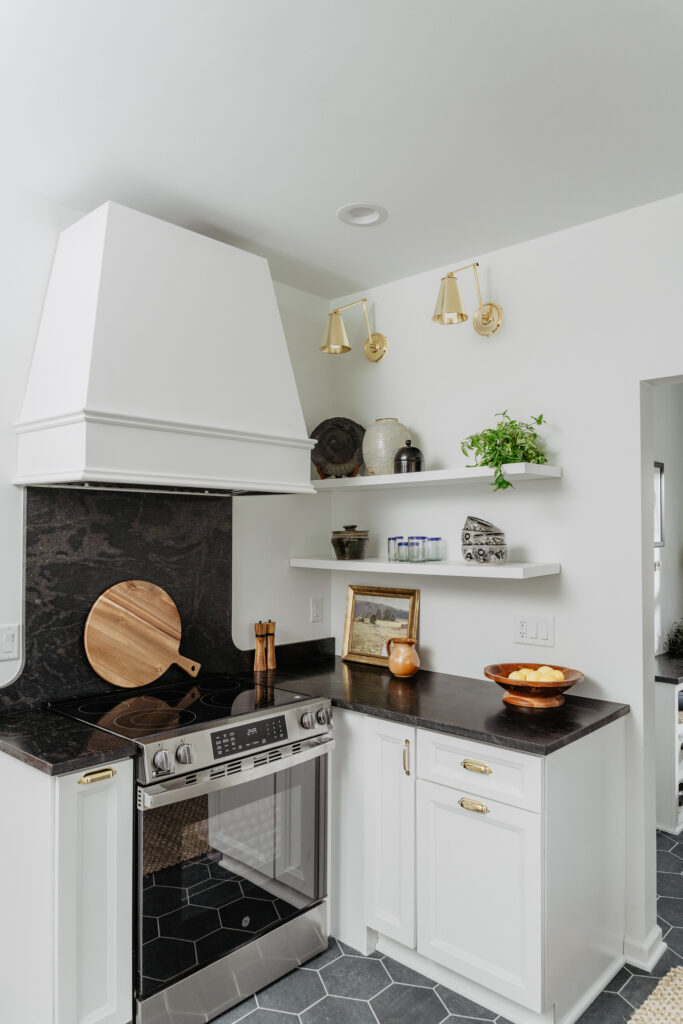
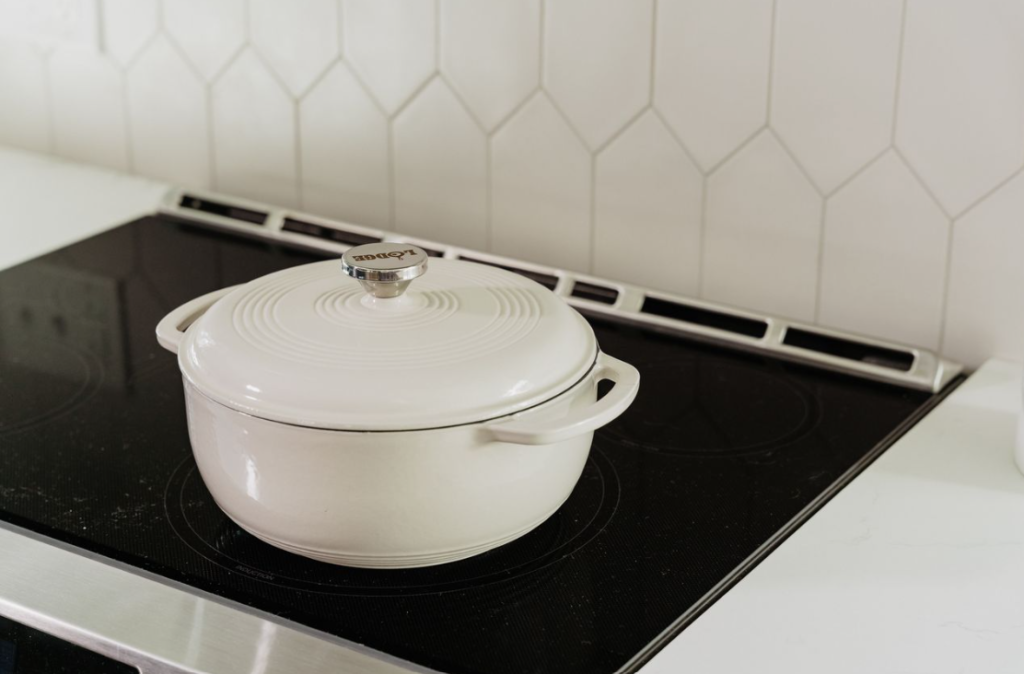
Induction uses electromagnetic energy to generate heat directly in compatible cookware. A coil beneath the glass creates a magnetic field that induces electrical currents in the pan, heating the pan itself.
The result is fast, responsive cooking. Water boils extremely quickly, and changes to the heat setting happen quickly, too. If you like the control of gas but want an electric cooking surface, induction is worth considering.
Your cookware needs a magnetic base. A simple starting test is to hold a magnet against the bottom of your pots and pans. Cast iron and many stainless steel pans work, while aluminum, copper, and some stainless steel cookware need a compatible magnetic base. GE Appliances
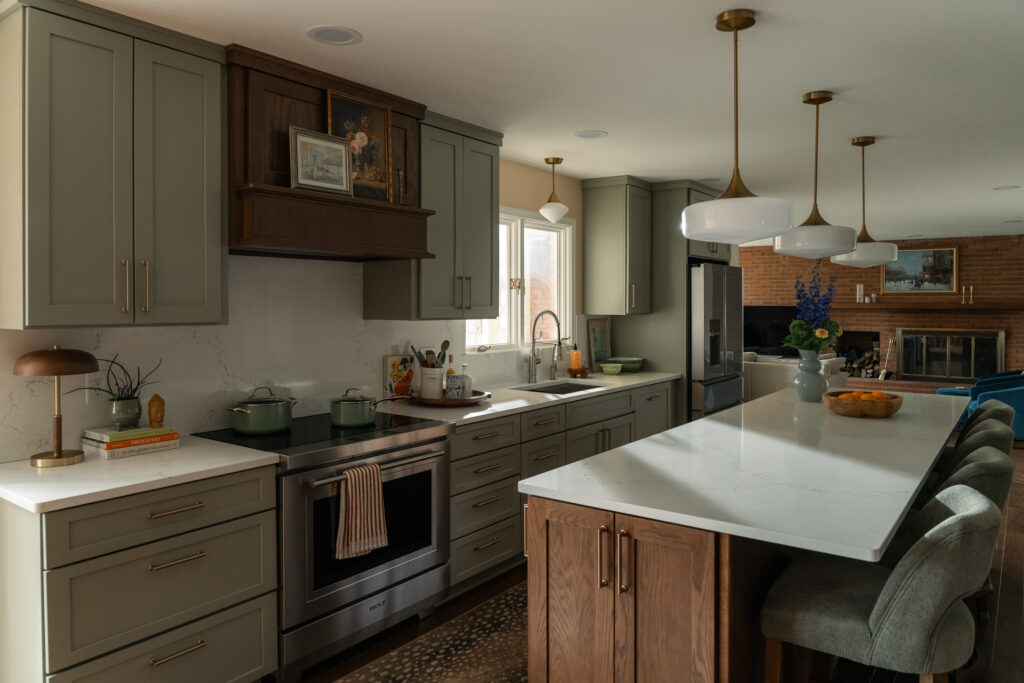
I highly recommend trying induction live at an appliance showroom, ideally with the cookware you plan to use. Some combinations of appliances, pans, and heat settings produce a high-pitched buzzing or whistling sound. It may barely register for one person and be very distracting for another. This is something you want to hear before you commit. Miele USA
Induction also avoids the combustion pollutants produced by gas burners, including nitrogen dioxide, which can aggravate asthma. Ventilation still matters with any cooking surface because cooking food itself produces particles, smoke, and grease. epa.gov
For families, induction has some helpful safety features. If a toddler walks by and turns a control with no compatible pan on the cooking zone, the zone generally will not generate cooking heat. There is also no gas supply at that surface to accidentally release. Pan detection and automatic shutoff features can be useful for households with children or adults with memory issues.
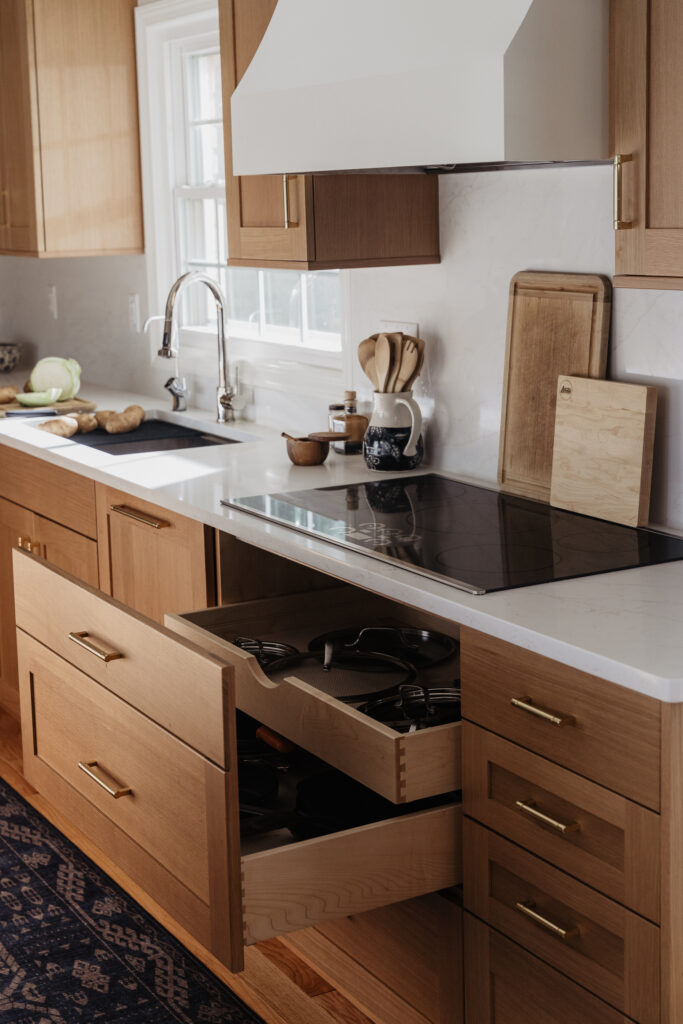
That does not make induction risk-free. If a compatible pan is left on the surface, it can still heat, and the glass beneath a hot pan can remain hot afterward. We look at the specific model’s control locks and shutoff features rather than assuming every induction appliance works the same way. Induction Cooktop FAQs
How many burners do you actually need?
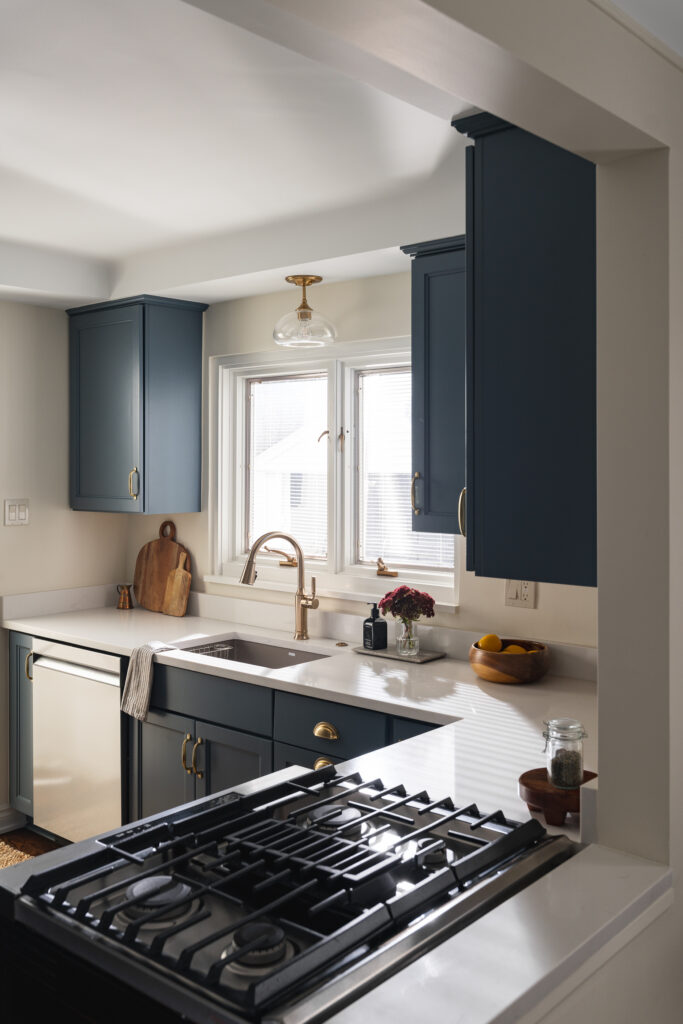
Four, five, or six burners may sound like a simple choice, but the number alone does not tell you how useful a cooking surface will be.
Think about the cookware you use together. Can your largest skillet sit beside your pasta pot? Is there a burner that holds a gentle simmer? Does the fifth element provide meaningful cooking space, or is it a warming zone?
For induction, look at the size and placement of the cooking zones and whether a bridge function accommodates a griddle. On gas appliances, consider burner spacing, low-heat performance, and whether you would use a built-in griddle enough to give up that burner space.
A well-arranged four-burner surface may work better for you than five crowded burners. If you regularly prepare several dishes at once, a wider appliance may be worthwhile, provided the layout still leaves enough counter space for prep and serving.
One oven or two
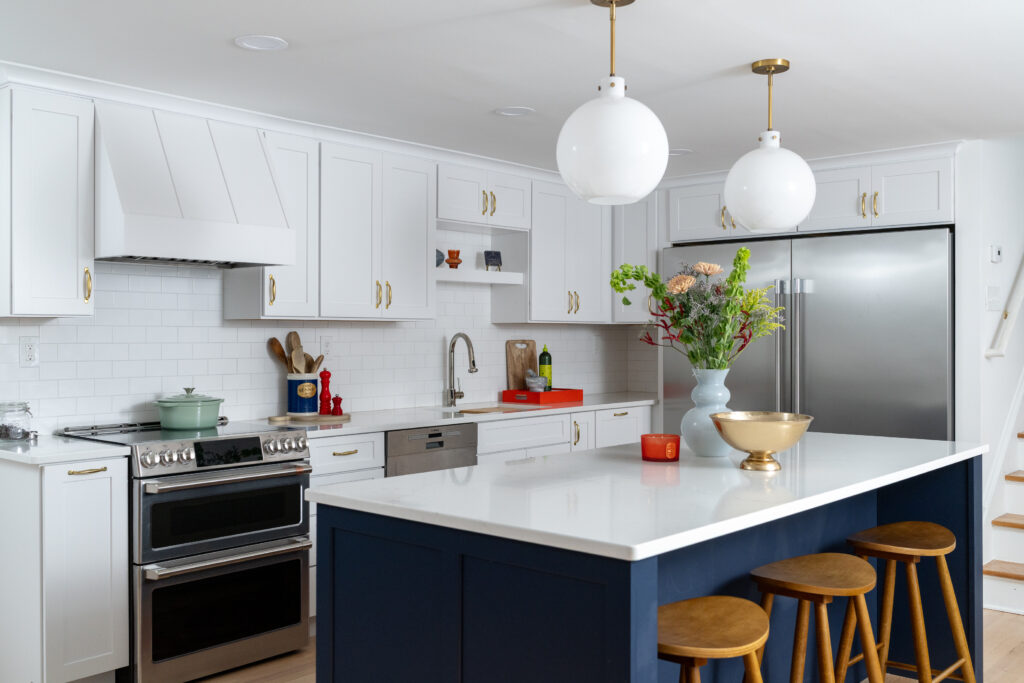
A second oven can be helpful for more than holiday entertaining. It lets you bake at two different temperatures, keep one dish warm while another cooks, or heat a small meal without using a large oven cavity.
And you do not need a huge range to get two ovens. Double ovens are available in a standard 30-inch range. I have personally owned one and loved it!
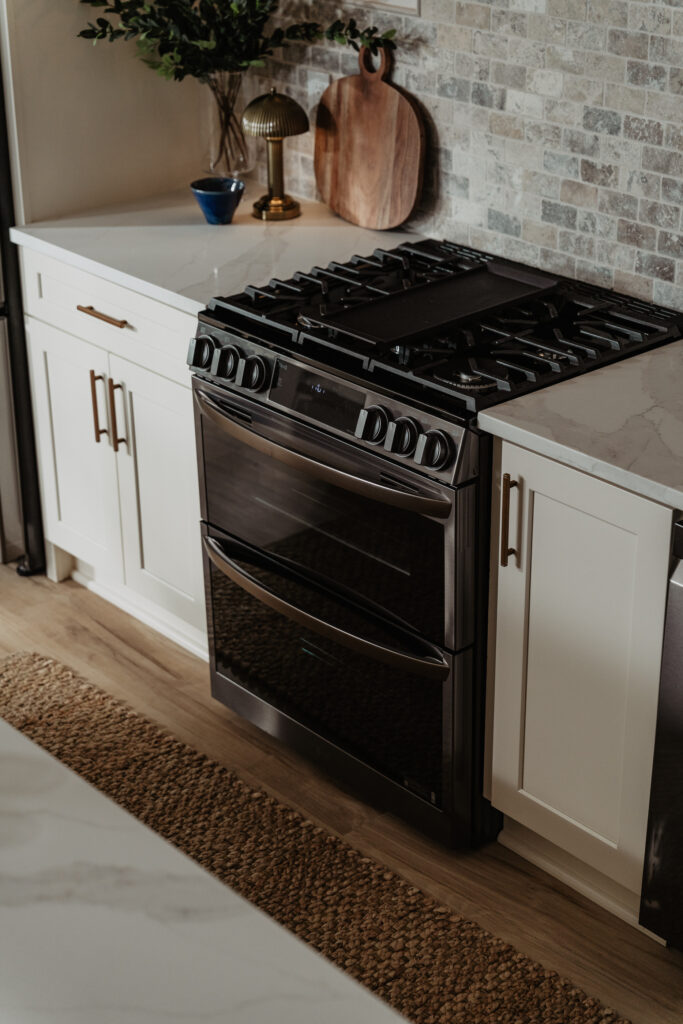
The smaller oven was great for heating leftovers because the smaller cavity meant fast preheat times. The larger oven had features like proofing for our pandemic-era sourdough obsession, which is still ongoing, a temperature probe for getting holiday dinners just right, convection, and eventually an air-fry mode.
One day, our GE Café range received an update over Wi-Fi, and suddenly we had an air fryer built into the oven. We completely ditched our countertop air fryer.
I loved that the air-fry mode did not need preheating. The larger oven also meant we could cook a whole batch at once instead of working through several small batches. Homemade sweet potato fries and air-fried Brussels sprouts are two of our family favorites. We still spread everything out so the air can circulate and crisp the food. Café offers no-preheat air frying on select models, including qualifying appliances that receive the feature through a connected update. Cafe Appliances
When comparing ovens, look beyond the total cubic footage. Check the usable height, rack positions, and whether your largest roasting pan fits. In a double-oven range, the lower oven often sits close to the floor, so consider how comfortable you will be lifting a heavy dish from that position.
Features vary by model and sometimes by oven cavity. Proofing, convection, temperature probes, and no-preheat air frying are worth checking individually.
A range or separate cooking appliances?
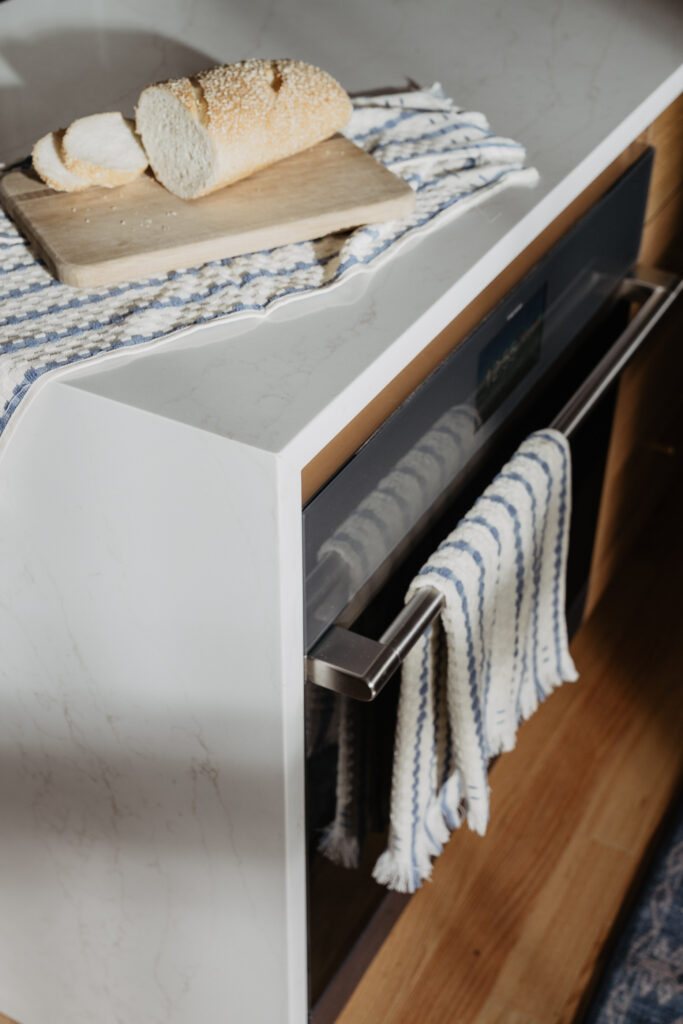
A range combines the cooking surface and oven in one appliance. It keeps the main cooking functions together and can make efficient use of a smaller kitchen.
Separating the cooking surface from the ovens creates more flexibility. One person can work at the cooktop while another checks the oven, and oven placement can be tailored to how you use the kitchen.
A cooktop generally drops into an opening in the countertop, with the countertop continuing in front of it. Controls are often on the cooking surface, although some designs use controls mounted through the cabinet front. Cooktops are available in gas, conventional electric, and induction.
A rangetop is built more like the upper portion of a range, with a substantial front edge and controls on the front. It requires a cutout through the front of the cabinetry and countertop arrangement. Rangetops often have a professional appearance, and some offer griddles or other specialty cooking options.
The installation requirements differ, so these appliances are not interchangeable within the same cabinet design. Sub-Zero, Wolf, and Cove
Where wall ovens can go
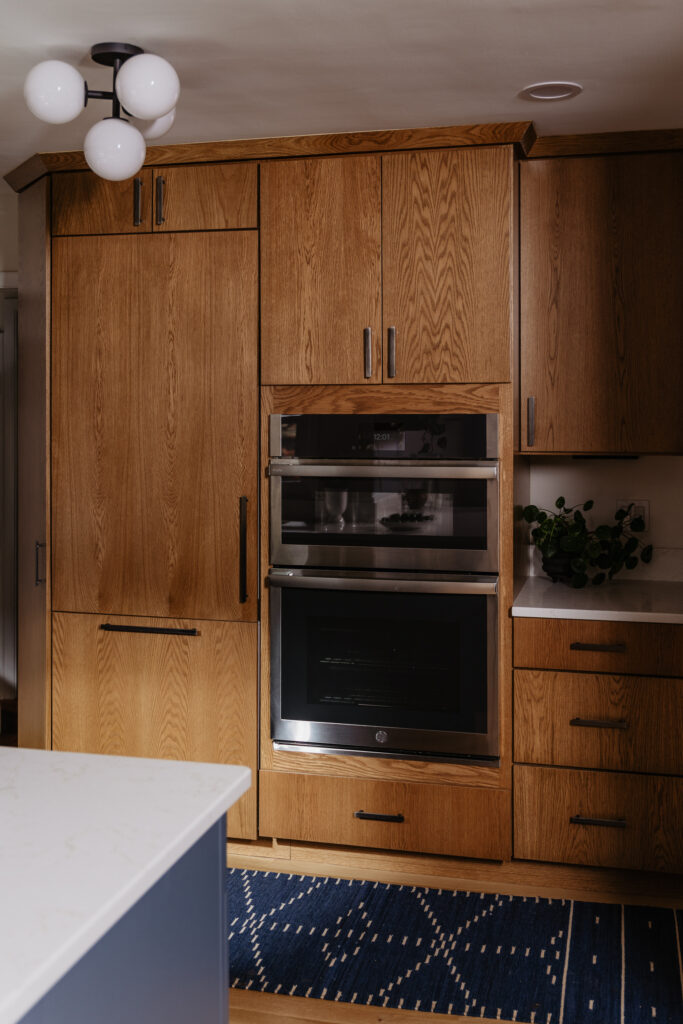
Despite the name, a wall oven does not have to sit high in a wall. Depending on the appliance and its approved installation requirements, wall ovens can be installed under a counter, stacked in a tall cabinet, or arranged side by side.
An undercounter oven can preserve countertop space above. Stacked ovens concentrate the cooking capacity in one tall cabinet. Side-by-side ovens can place both cavities at a comfortable height, although they require more horizontal space.
We also consider the microwave. You can choose a combination microwave and wall-oven unit, or build the appliances in separately. If you want a microwave plus two full oven cavities, check the configuration carefully: a product described as a “microwave combination double oven” often means a microwave above one conventional oven, not a microwave plus two conventional ovens.
Separate units give us more freedom to place each appliance where it is easiest to use. Either way, door swings, landing space, ventilation clearances, and approved appliance combinations need to be worked into the cabinetry plan.
Wi-Fi connected appliances
Connected appliances offer some conveniences I appreciate. On compatible models, you can preheat the oven remotely, check its status after leaving home, or turn it off through an app. Some require you to enable remote operation at the appliance first. Control Your Oven Remotely
Our unexpected air-fry upgrade is a good example of how software updates can add useful features after an appliance is installed.
The tradeoff is that another connected device creates another potential cybersecurity vulnerability. Strong, unique passwords, available security updates, and a secure home network matter. It is also worth asking which functions require an internet connection and how the appliance works if you choose not to connect it.
The most useful smart features are the ones that solve an everyday problem for your household.
Planning the kitchen around the way you cook
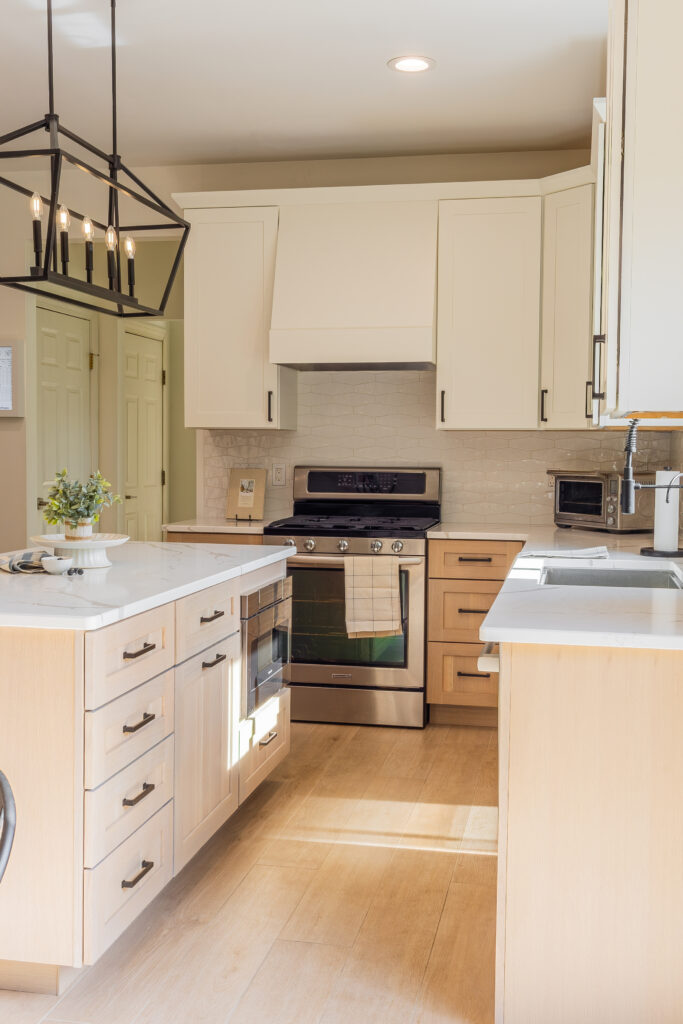
Appliances affect far more than the look of a kitchen. They influence cabinet dimensions, countertop space, ventilation, electrical and gas requirements, and how comfortably several people can work in the room.
If you are overwhelmed by the options, we can help you plan. At Artistic Kitchens, we can create a layout that works with the appliances you want, or help you find the right appliances for the layout you want.
Whether you are dreaming of a gas rangetop and separate wall ovens or a hardworking 30-inch induction range, we will help you make room for the way you cook.
Leave a Reply