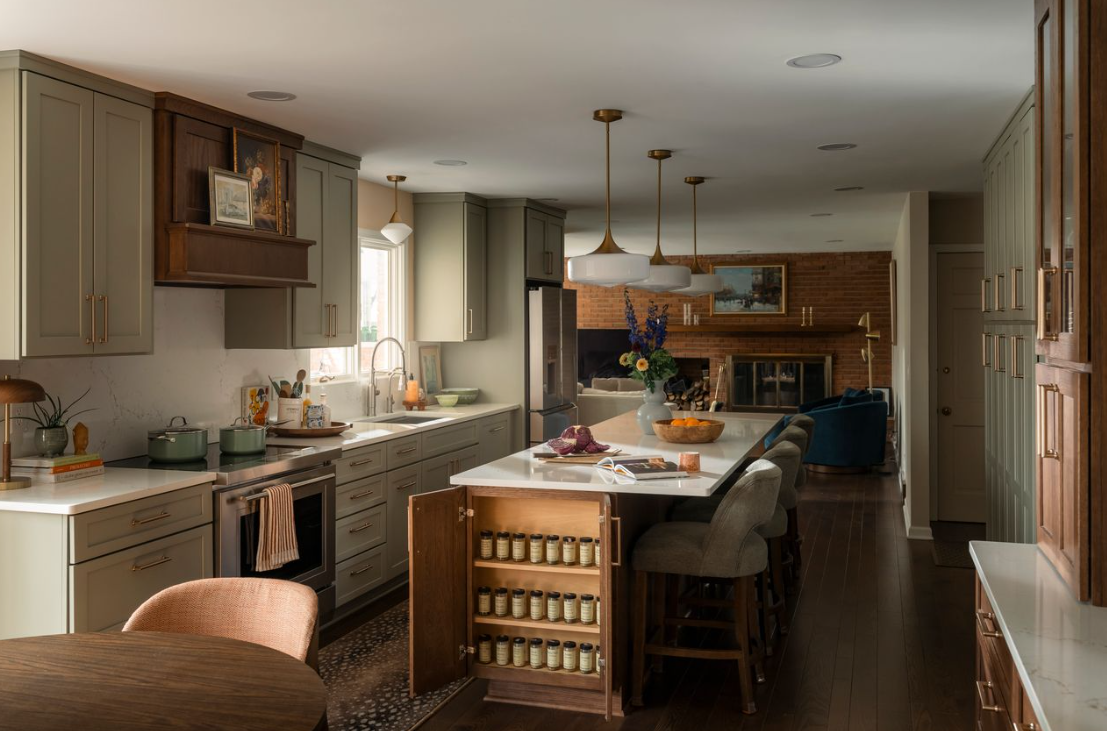
The best kitchen storage starts with understanding what you need to put away. A kitchen filled with cabinets can still be frustrating if the shelves are too deep, the drawers don’t fit your utensils, or everyday items are stored far from where you use them.
There’s no one-size-fits-all solution. That’s where an experienced kitchen designer can help. Taking an inventory of your dishes, cookware, pantry goods, and small appliances allows us to recommend storage that fits your household, with each item located where it makes sense.
Give Baking Trays and Cutting Boards Their Own Space
For large, shallow items like cutting boards, baking trays, and wire cooling racks, I love vertical tray dividers. Storing these pieces upright allows you to grab what you need without unstacking everything and putting it all back.
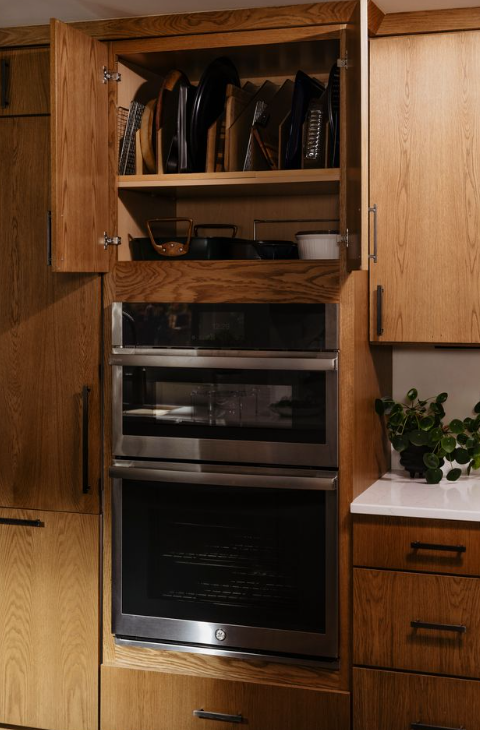
The cabinet above a built-in oven or refrigerator can be a great location. These spaces are often difficult to use efficiently with standard shelves, but vertical dividers make them useful. Placement still needs to account for reach, so we consider the size and weight of the items along with who will be using them.
Get More from Your Wall Cabinets
One of my favorite storage tricks is using 15-inch-deep wall cabinets instead of the standard 12-inch depth. When you’re standing at the countertop, those extra three inches generally don’t make a noticeable difference in how you work or access the counter. Inside the cabinet, though, they make a big difference.
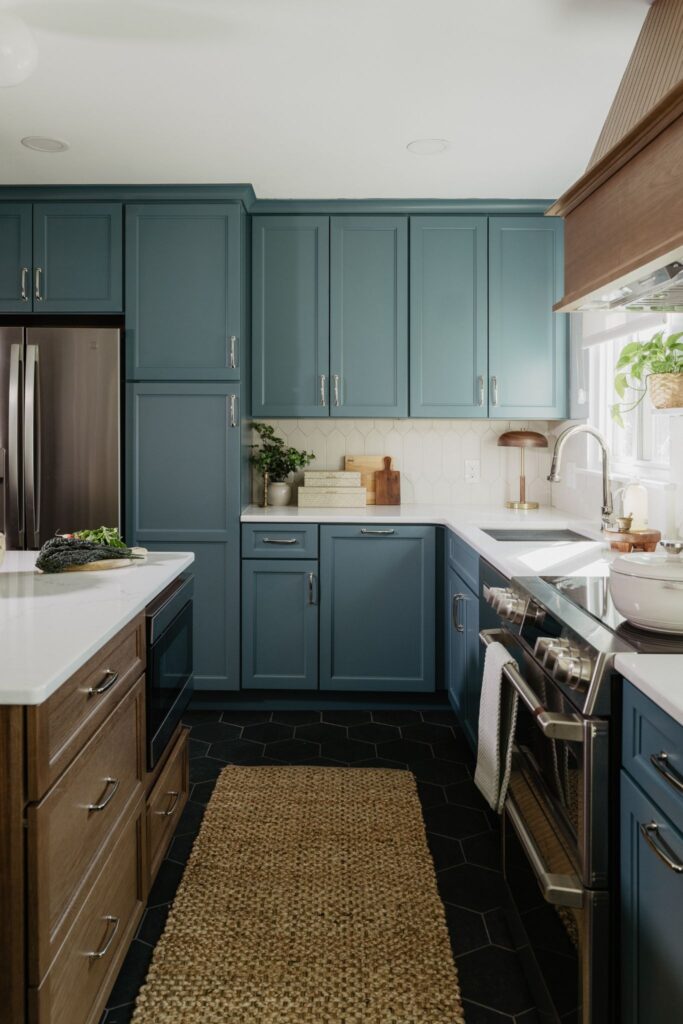
Mathematically, that’s a 25% increase in storage depth. In practice, the benefit can feel even greater because of what now fits. Large platters and mixing bowls can move into a wall cabinet instead of taking up space in a deep base cabinet. Smaller bowls and plates can be staggered to make better use of the shelf.
Adjustable shelving helps us fit the space to your dishes instead of leaving unnecessary gaps above them. An opening without a center stile, the fixed vertical piece between two cabinet doors, also makes it easier to get wide serving pieces in and out. These details may seem small, but they can make everyday storage much more useful.
Make Utensil Storage Fit Your Tools
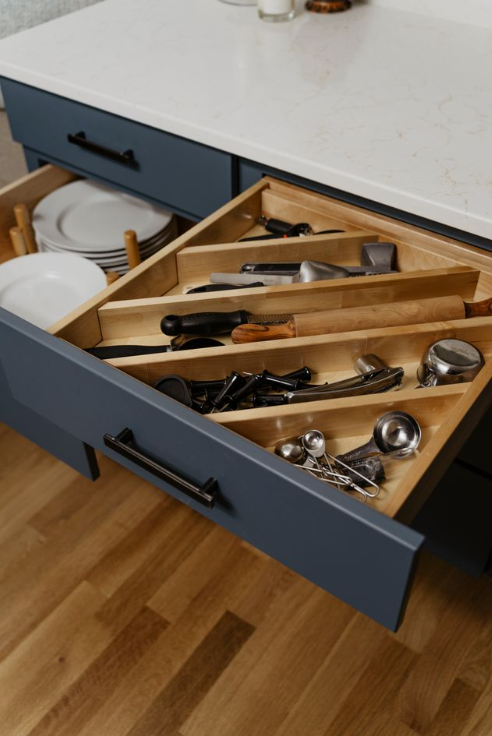
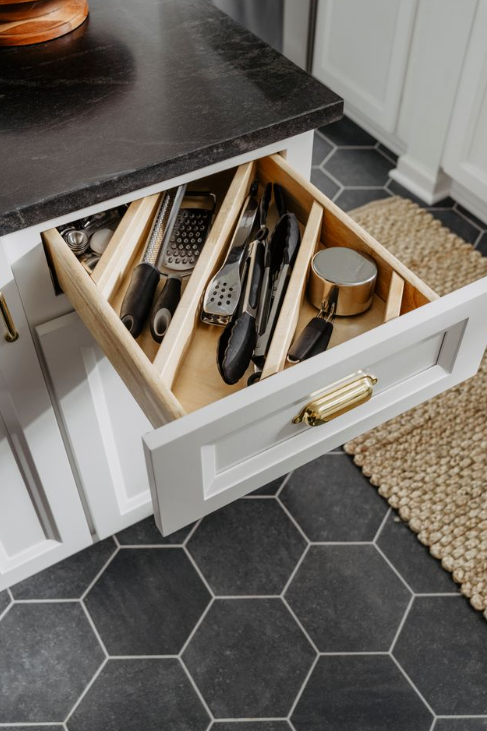
Cooking utensils come in all shapes and sizes, so their storage should too. Long tongs and spatulas need larger compartments, while measuring spoons and other small tools benefit from smaller sections that keep them from getting lost.
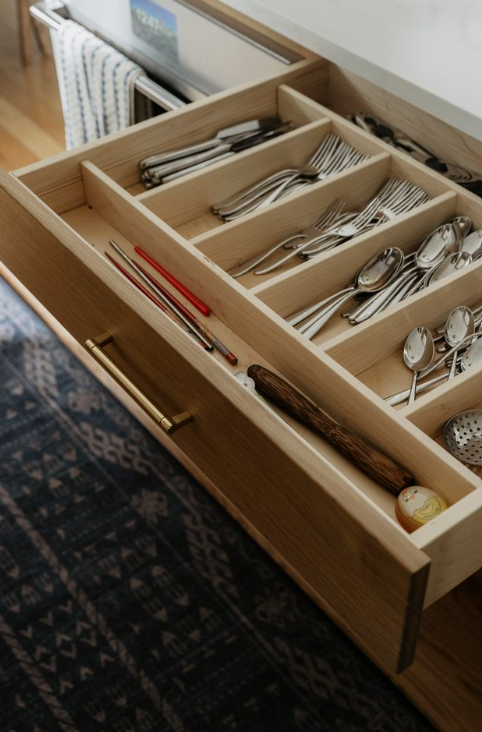
I like a variety of compartment sizes within a drawer rather than a series of identical spaces. Looking at the tools you actually own helps us plan dividers around your collection. Locating those drawers near your prep area or cooking surface keeps frequently used items close at hand.
Think Beyond a Bigger Pantry
When it comes to pantry storage, many people assume bigger is better. But deep shelves can hide cans and boxes behind one another. By the time you find that can at the back, it may already be expired.
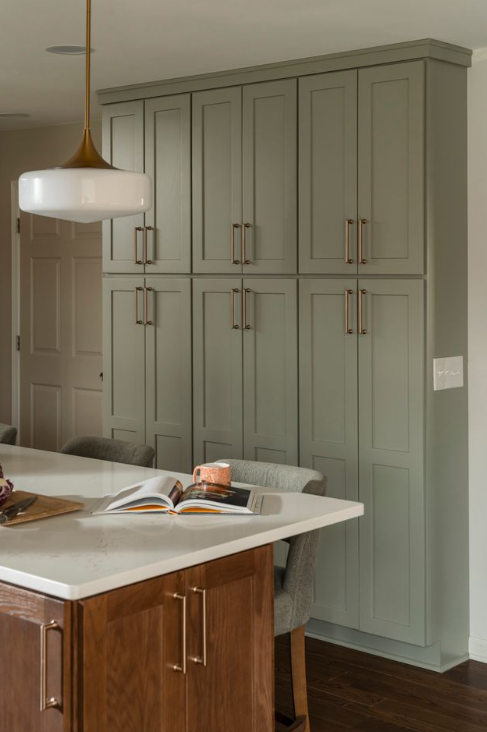
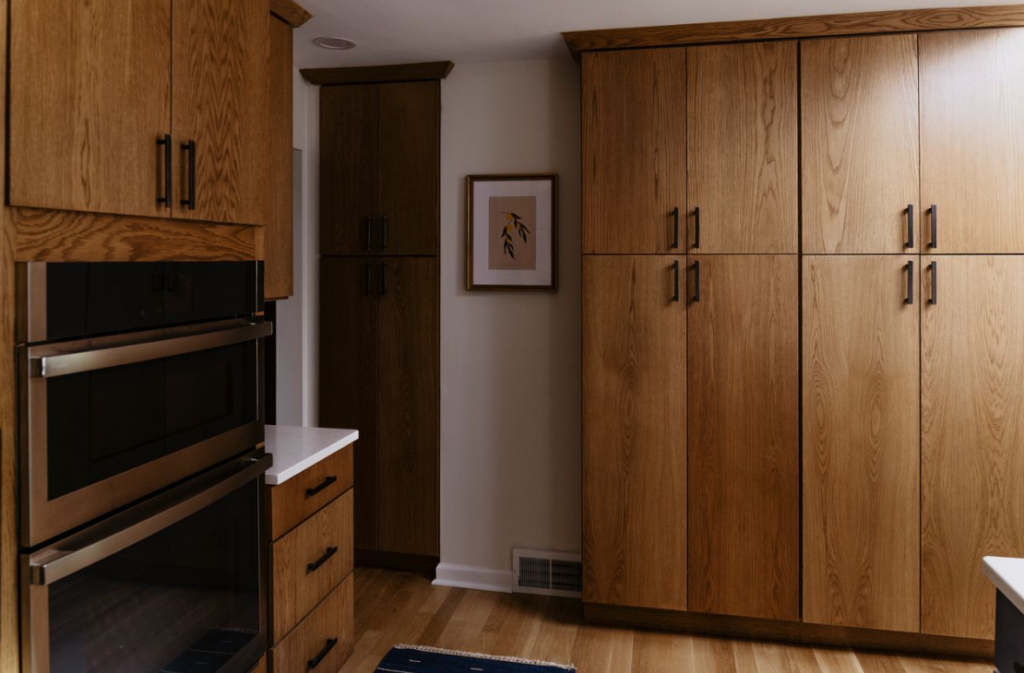
Shallow, tall pantry cabinets are one of my favorite options for boxed foods and canned goods. They make it easier to see what you have, reach what you need, and avoid buying duplicates.
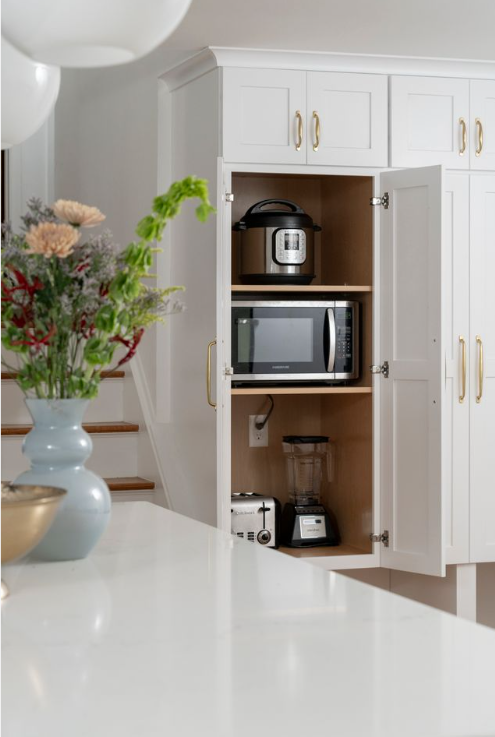
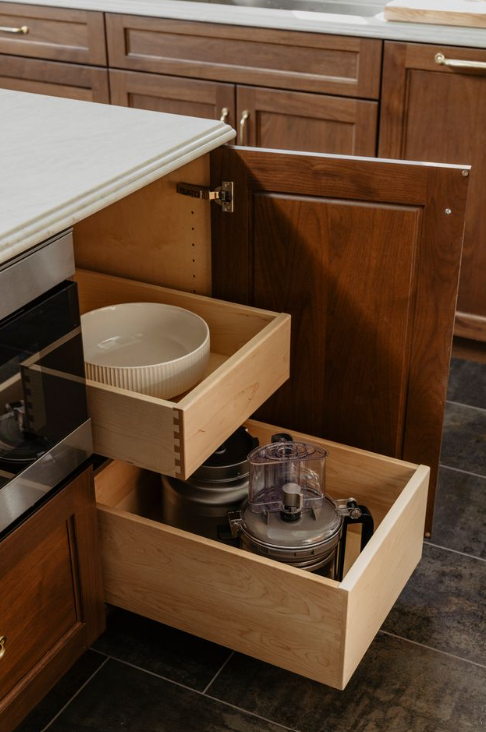
Deep pantry cabinets serve a different purpose. With roll-out trays, they can work well for larger items such as small appliances. Pulling the tray forward gives you access without having to reach into the back of the cabinet. The goal is to match the cabinet depth and interior fittings to what will be stored there.
Plan for the Way Your Family Shops
Your shopping habits matter just as much as your cooking habits. A family that buys dry goods in bulk from Costco will have different storage needs than one that picks up smaller quantities throughout the week.
If you regularly bring home oversized cereal boxes, large bags of rice, or several packages of snacks, we need to plan a place for them. That might mean dedicated storage in the kitchen or overflow storage in another room, with smaller quantities kept close to where you prepare meals. Planning for those purchases from the beginning helps keep bulk items from taking over countertops or crowding everyday storage.
The foods you buy also deserve consideration. If your family uses a lot of potatoes and onions, we’ll look for cool, dark storage with ventilation, keeping them separate and away from heat-producing appliances. A cabinet that looks tidy on the outside still needs the right conditions for what’s inside.
Find the Right Spot for Spices
Spice storage deserves its own conversation because the best solution depends on the kitchen layout and how you cook.
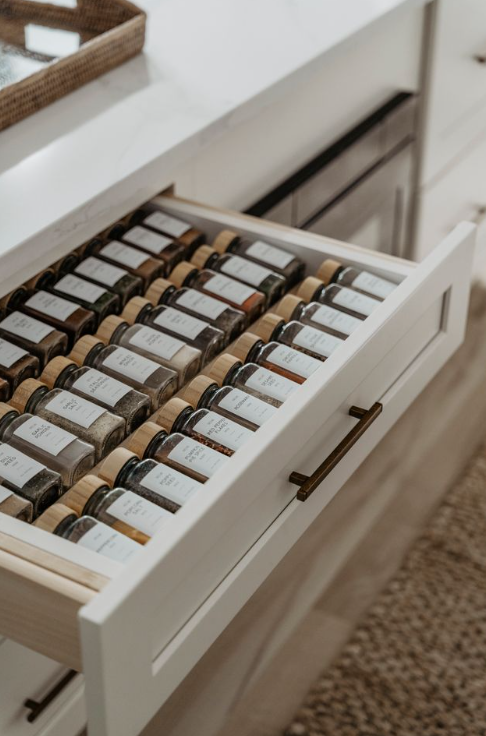
Sometimes a top drawer near the cooking surface is the most convenient choice. A drawer insert keeps jars organized and labels easy to scan.
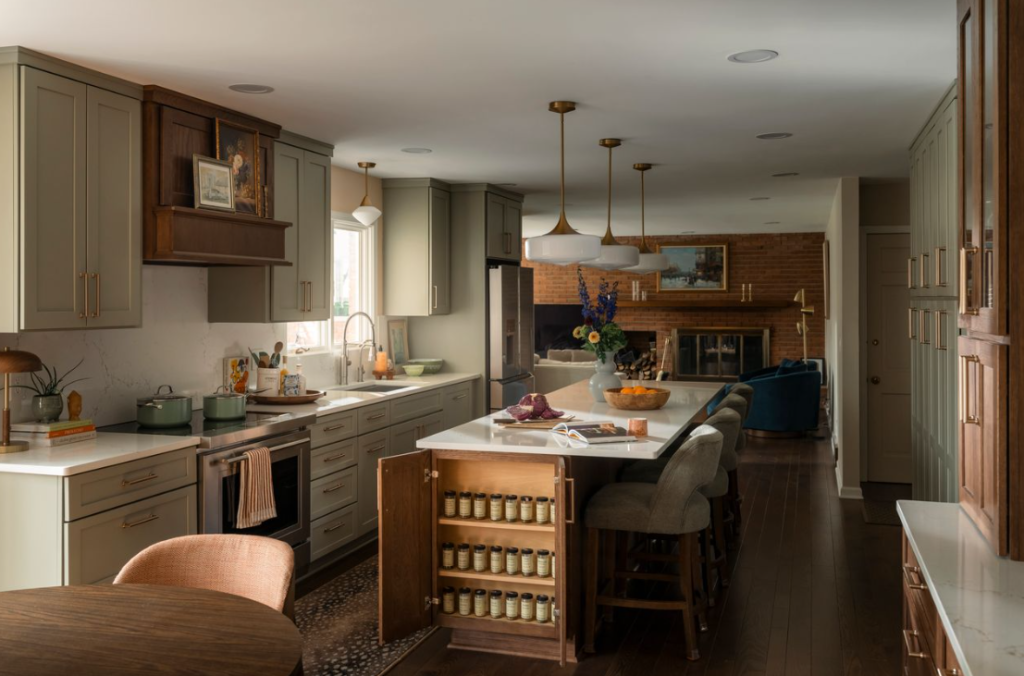
In another kitchen, a narrow roll-out cabinet may make better use of the available space. A shallow cabinet on the end of an island or cabinet run can also provide accessible storage in a spot that might otherwise go unused.
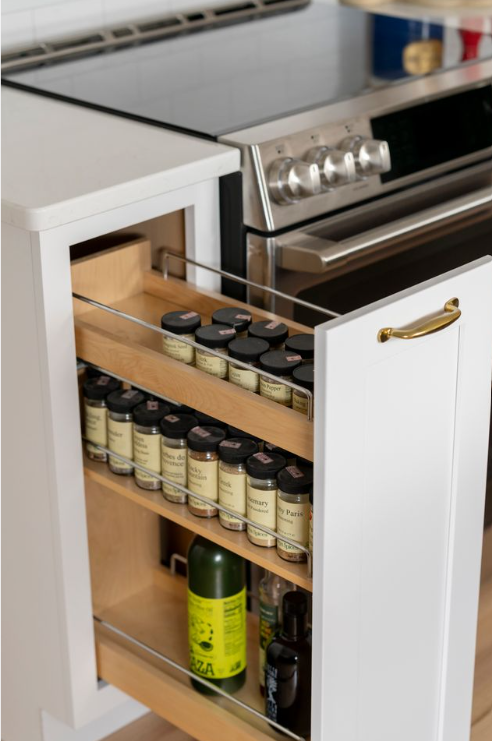
We consider the number and size of your spice containers, where you prepare food, and how you move through the kitchen before choosing a location.
Plan Around Your Everyday Routine
Good storage planning considers both what you own and how you use it. Where do you unload groceries? Where do you prepare meals? Which appliances come out every morning, and which are used only a few times a year?
Those details help us decide where storage belongs and which features are worth including. At Artistic Kitchens, we work through these questions with you so the finished kitchen supports your daily routines. Taking stock of what you cook, how you shop, and what you need to store helps us give everything a practical place to go.
Leave a Reply